Biosec Agriculture

On-Farm Mortality Management

Livestock
Incineration
Done Right

Every livestock operation deals with mortality. How it leaves the farm decides whether it becomes a disease risk. On-site incineration destroys carcasses where they occur, on your schedule, with nothing hauled off the property and nothing left in the ground.
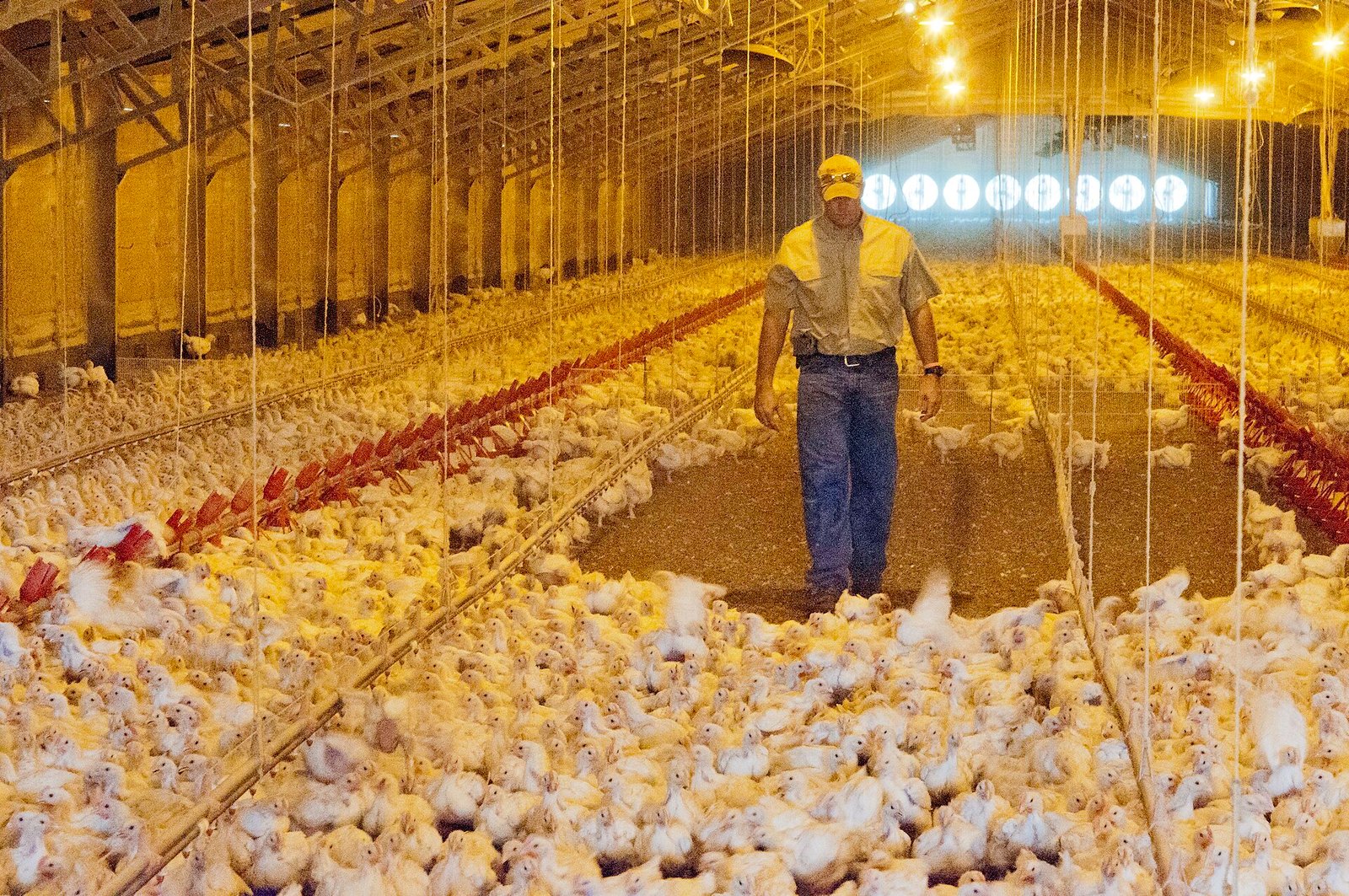
Commercial poultry house
Zero SmokeZero Odor
Pathogens EliminatedOn Site
Carcass GoneIn Hours
On-Site
Nothing Leaves the Farm
Hours
Not Weeks or Months
Dual
Chamber Combustion
UL Listed
120V or 230V Available

Why Choose Incineration

The Most Reliable Disposal Method for Modern Livestock Operations

When composting takes weeks and rendering trucks require scheduling, incineration delivers results on your timeline, with full biosecurity and documented compliance.

🔥

Complete Pathogen Elimination

A dedicated secondary chamber holds combustion gases at sustained high temperature long enough to fully combust. Carcasses are reduced to sterile ash and viruses, bacteria and prions are destroyed on the premises, including AI, PED, PRRS and ASF.

On-Demand, No Scheduling

No waiting for pickup trucks, no composting lag time. Dispose of mortalities within hours of discovery, which matters most during disease events when every hour counts for containment.

📋

Documented Regulatory Compliance

Agricultural incinerators are permitted under state construction permit programs using EPA AP-42 emission factors. BioSec Agriculture provides equipment documentation to support your permit application.

🐷

Purpose-Built for Livestock Operations

From sow farms and broiler houses to turkey barns, dairies and beef operations, incineration equipment is sized to match your mortality load and operation type, from small sites to large commercial production.

🛡️

Biosecurity Stays On-Site

Carcasses never leave the property. No truck entries, no rendering facility contacts, no off-site exposure pathways. Your biosecurity perimeter stays intact from start to finish.

💰

Lower Long-Term Disposal Cost

A one-time equipment investment replaces recurring rendering fees, and the loading equipment stays clean and dry instead of working daily in decomposing material.

What the Research Says

Why Producers Are Moving Mortality Disposal On-Farm

1

The Dead-Haul Truck Is a Known Vector

A Swine Health Information Center study across 40 wean-to-market farms found that sites using rendering pickup were more likely to have PRRSV, PEDV or PDCoV detected in environmental samples around the dead-animal area, and at higher viral loads, than sites that did not rely on pickup. The same work showed material from the dead-box area can be tracked across the site by vehicles and people. A rendering route visits many farms with one truck. Source: SHIC

2

Vehicles Carry Disease Between Farms

Modeling from North Carolina State University of nine PRRSV transmission routes identified trucks moving animals, workers and feed as carriers of the virus between farms. Every vehicle that crosses the gate is a biosecurity event. Source: NC State

3

Burial Depends on Your Soil and Water Table

EPA guidance notes that on-site burial can present contamination risk depending on soil type and distance to water sources, and in some regions it is restricted or not available at all. The same guidance places permitted and mobile incineration units as protective of human health and the environment, in contrast to open burning. Source: US EPA

4

Composting Takes Time and Management

Composting works when it is built and managed correctly and has the space and carbon material to do it. It also holds carcasses on the farm for weeks while pathogens are inactivated, and turning the pile puts your loader in decomposing material every day.

5

Outbreak Readiness

USDA APHIS is the lead federal agency for large-scale animal disease outbreaks, and its own carcass management planning tools compare on-site and off-site options by time and cost. During an HPAI, ASF or PRRS event, on-site destruction capacity is the difference between managing the problem and waiting on a contractor or state response. Source: USDA APHIS
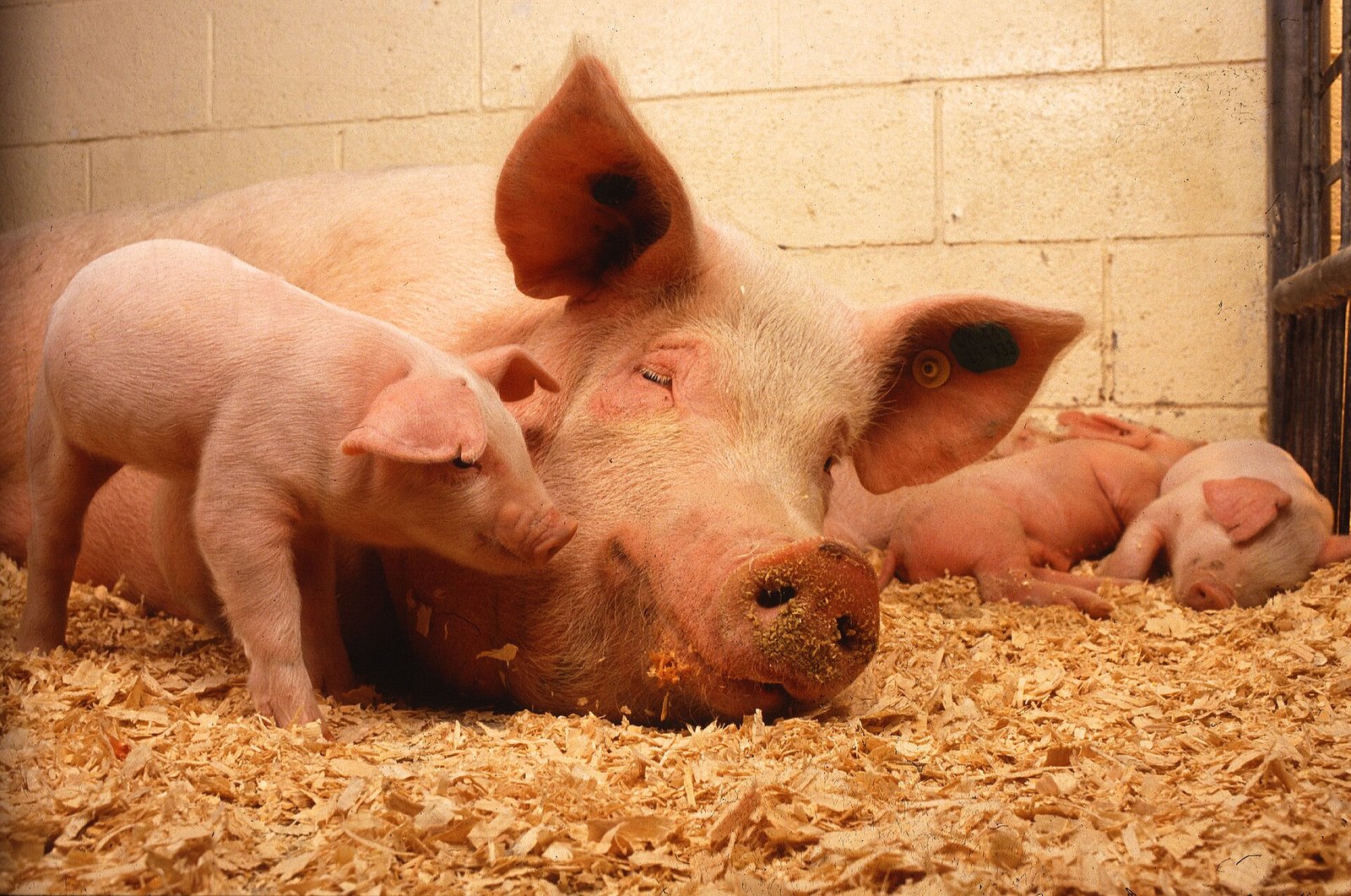
Sow and piglets
Same-Day DisposalMortality is handled as it occurs. No dead box sitting at the road, no waiting on a pickup schedule, and the rendering truck stops coming to the gate.

Who This Fits

Built for Commercial Livestock Production

Swine, poultry, dairy and beef, hatcheries, veterinary and research facilities, and any operation where mortality disposal is a daily reality and biosecurity is not optional.

Swine production

Swine

Sow farms, nurseries and finishers. Daily mortality handled on-site, with no rendering truck crossing the biosecurity line.
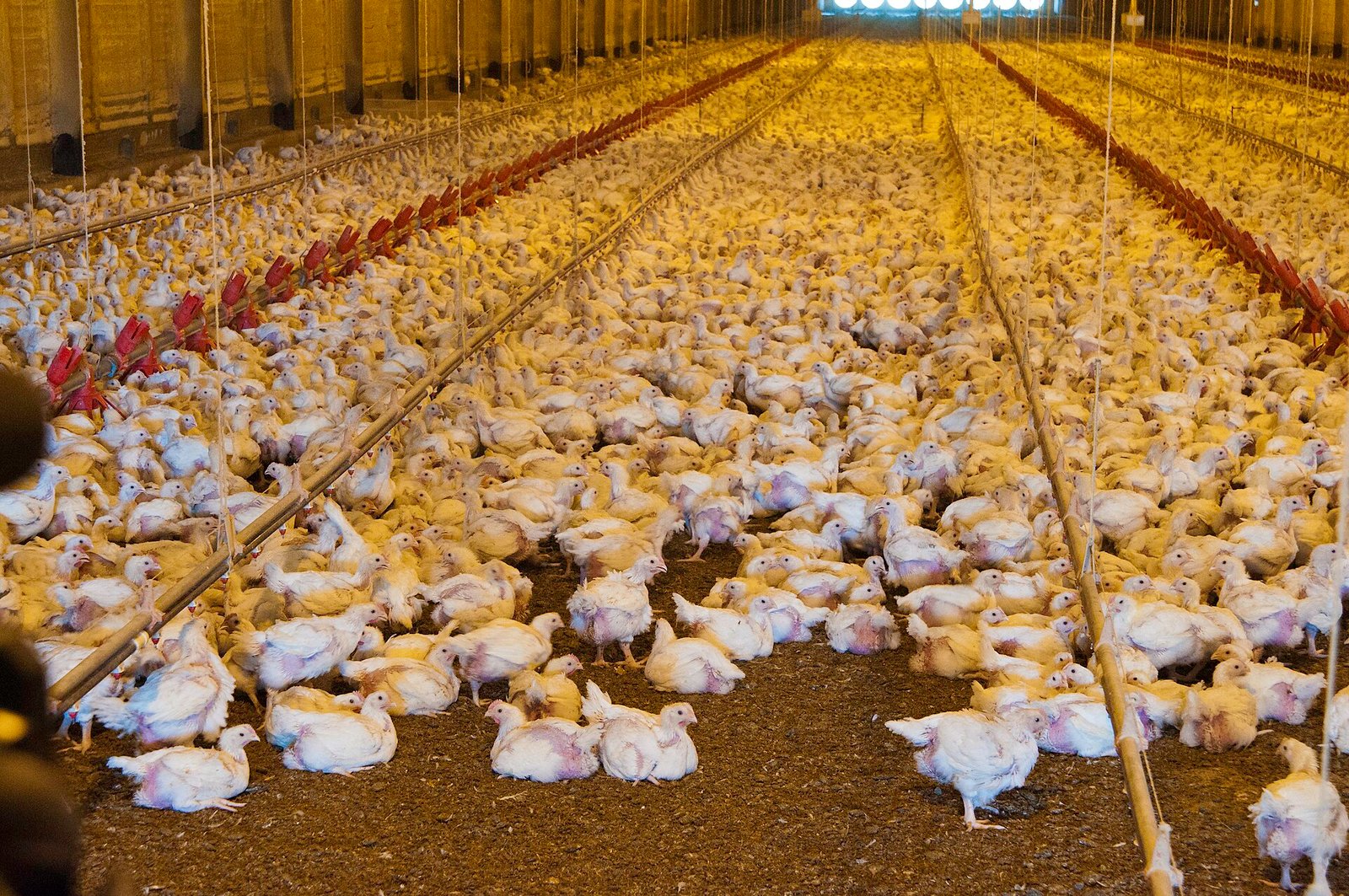
Broiler house

Poultry

Broiler, layer, turkey and breeder operations. Fast turnaround on routine mortality and destruction capacity when HPAI is in the area.
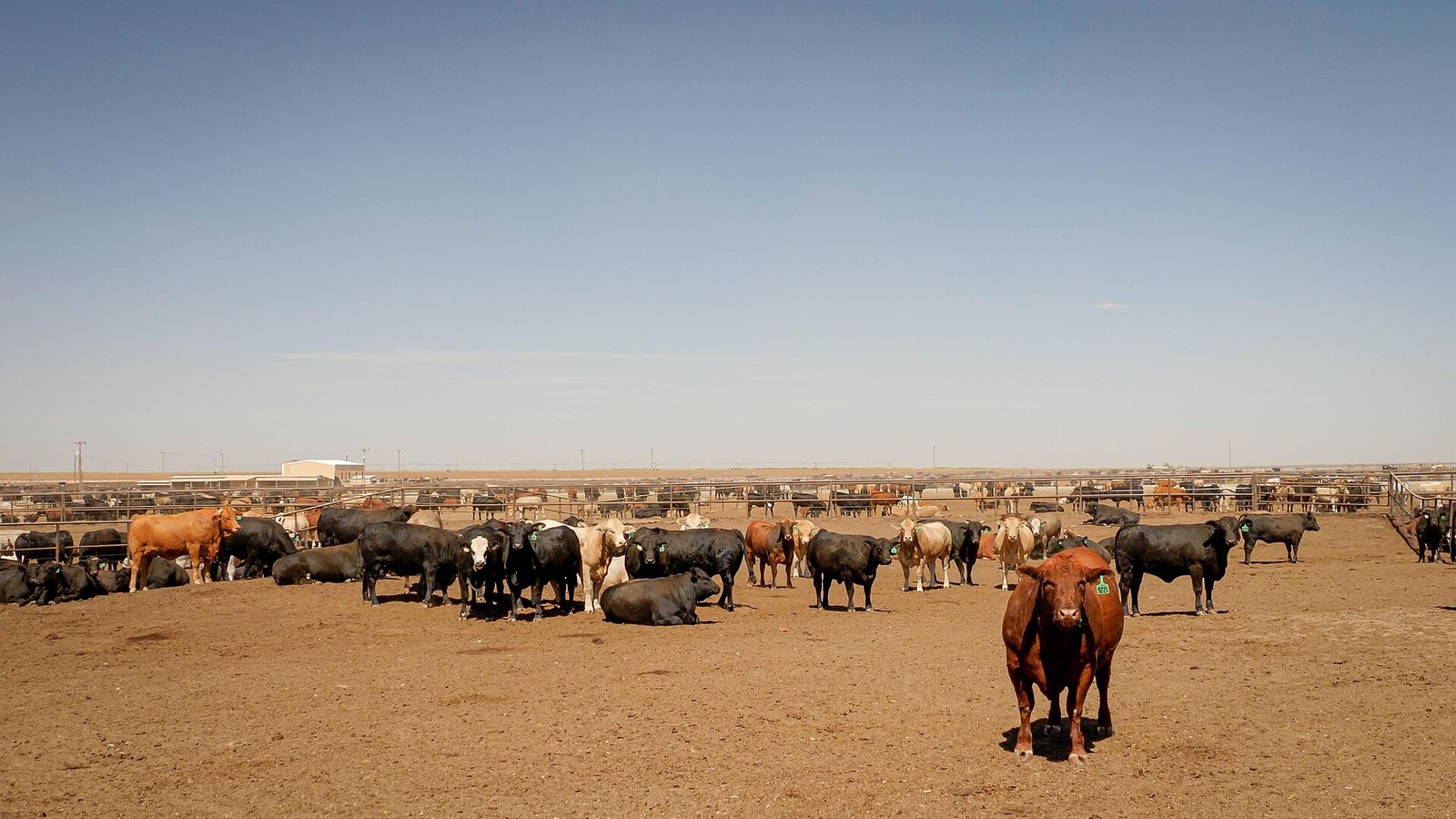
Cattle

Dairy & Beef

Large-animal capacity for operations where burial is restricted by soil, water table or zoning, and rendering is unreliable or unavailable.

Photos: USDA, public domain

Air Permitting & Compliance

Permitted for US Regulatory Requirements

Agricultural incinerators operate as minor stationary sources under US EPA regulations. Potential-to-emit (PTE) calculations for CO, the controlling pollutant, are based on EPA AP-42 emission factors. BioSec Agriculture provides equipment specifications and PTE worksheets to support state permit applications. Regulatory determinations are made by your state environmental agency.

  • EPA AP-42 emission factors apply
  • CO is the controlling pollutant for PTE threshold calculations
  • Integral secondary chamber design, no separate afterburner form required
  • BioSec Agriculture provides equipment specs and PTE worksheets for permit applications
  • State construction permits required before installation, plan for 60 to 90 day review timelines
  • Permitting guidance available for IA, IL, MN and NE, contact BioSec Agriculture for other states

Start the Permit Early

If you are planning a new facility or upgrading mortality management infrastructure, the permit timeline is the one thing to start first. Everything else moves faster than the permit window.

Send us your state, species and approximate daily mortality and we will put together the equipment specification and PTE worksheet your application needs.

Get Permit Support

Parts. Service. Support.

BioSec Agriculture stocks parts and provides direct technical support for all US installations. Enter the Service Portal for parts documentation, troubleshooting resources and service manuals.

Genuine PartsIn Stock in the US
Full DocumentationUser Guides & Specs
Direct US SupportTechnical Assistance
Enter the Service Portal

Get Started

Ready to Size a Unit for Your Operation?

BioSec Agriculture works directly with producers to match the right incinerator to your mortality load, site layout and permitting situation. UL listed 120V or 230V configurations available.

Request a Quote
Mortality Management

Livestock Mortality Management: Incineration vs Composting vs Rendering

When evaluating deadstock disposal options for your swine or poultry operation, the comparison looks very different once you put all three methods on the same sheet of paper. Here's how livestock incineration, composting, and rendering compare across the factors that matter most to commercial producers.

Factor Incineration Composting Rendering Pickup
Infrastructure cost Concrete pad only $100,000+ roofed concrete structure with weight-bearing pad None — but per-pickup fees accumulate
Time to dispose Hours 60–90 days minimum Depends on pickup scheduling — often 24–72 hrs
Pathogen elimination Complete — 850°C secondary chamber Unreliable for HPAI, ASF at scale Eliminated at rendering facility — not on-site
Biosecurity perimeter Carcasses stay on-site — no truck entries On-site Truck entry required — biosecurity event every pickup
Timing flexibility Any time — re-entry risk eliminated End of day only — no re-entry after handling carcasses Dependent on truck schedule
Disease event response Preferred / required for HPAI, ASF Inadequate for fast-moving outbreaks Truck access during active outbreak is high-risk
Equipment required Small skid steer or loader tractor High-capacity loader tractor — daily use in decomposing material Loading equipment to staging area
Odor / wildlife risk Water vapor only — no odor, no smoke Odor during active decomposition attracts wildlife Staging area exposure until pickup
Ongoing operating costs Fuel per burn cycle — logged by the control panel Carbon materials, equipment maintenance, labor Per-pickup fees, fuel to staging
Regulatory documentation State construction permit — 60–90 days, BioSec supports application Varies by state Rendering facility handles compliance

Infrastructure cost estimates for composting based on roofed multi-bay concrete structures built for daily heavy equipment access. Actual costs vary by region, site, and contractor. Contact BioSec Agriculture to compare total cost of ownership for your operation.

Why Incineration Wins on Biosecurity

Livestock incineration is the only deadstock disposal method that eliminates pathogens on-site, within hours, without any off-property movement. No truck entries. No rendering facility contacts. No exposure pathways outside your perimeter. For operations managing HPAI, ASF, PRRSv, or PEDv risk — this is the difference between a closed loop and an open one.

The $100K Composting Line Item

A properly built composting facility — roofed, multi-bay, concrete pad, weight-bearing construction — costs around $100,000 before a single carcass goes in. Add a high-capacity loader tractor for daily turning in disease-contaminated material. Then wait 60–90 days for the first cycle to complete. Incineration requires a concrete pad and a unit. To load it, a small skid steer or utility tractor is all you need — that machine stays clean and dry. It’s not working daily in decomposing, disease-contaminated material like the loader tractor for composting. Load, burn, walk away.

Mortality Management During a Disease Event

During HPAI, ASF, or PED outbreaks, your mortality management method isn't a background consideration — it's a front-line biosecurity decision. Composting cannot guarantee full pathogen inactivation within regulatory timeframes for highly pathogenic strains. Rendering requires truck access during an active outbreak. Incineration delivers verifiable, immediate pathogen elimination with zero off-site movement.

Livestock Incineration & Mortality Management

Frequently Asked Questions

Common questions from US swine and poultry producers evaluating livestock incineration, and mortality management options.

Most comparisons focus on the wrong variable — upfront equipment cost. The full picture looks different when you put both options on the same sheet of paper.

Composting infrastructure costs: A properly built composting facility means a roofed, multi-bay concrete structure — 4 to 6 bays at 8–10 feet with a weight-bearing pad built for daily heavy equipment traffic. That's around $100,000 or more before a single carcass goes in. Add a high-capacity loader tractor capable of turning compost and moving material between bins daily in decomposing, disease-contaminated material. Then factor in carbon sourcing, moisture management, and a 60–90 day minimum cycle before material is safe to handle.

Incineration infrastructure: A concrete pad. Load, burn, done. Pathogens are eliminated within hours — not months.

The timing difference nobody talks about: Composting is strictly an end-of-day task. Employees who handle carcasses can't re-enter production areas, so removal happens once at shift's end. With incineration, carcass removal can happen at any point during the day — re-entry risk is effectively eliminated and loading equipment stays clean.

During a disease event — HPAI, ASF, PED — composting cannot guarantee full pathogen inactivation within the timeframe you need it. Incineration can. No $100,000 structure. No carbon deliveries. No outside trucks on your property.

Livestock incineration — also called on-farm animal cremation or deadstock disposal — is the process of thermally reducing animal carcasses to ash using a controlled dual-chamber combustion system. It is the only mortality management method that delivers immediate, on-site pathogen elimination without requiring truck access, rendering pickups, or off-property movement.

In a properly engineered dual-chamber unit, carcasses are loaded into the primary chamber and combusted. Gases from the primary chamber pass into a separate, dedicated secondary afterburner chamber maintained at a minimum of 850°C (1,562°F) with sufficient volume to give combustion gases the dwell time required to fully combust. What exits the stack is water vapor — no visible smoke, no soot, no odor.

Smoke and odor coming off an incinerator isn't an incineration problem — it's a design problem.

Older barrel-style units and single-chamber machines are still being sold. Some have nothing on the stack at all. Others bolt on a small afterburner at the base of the stack as an add-on — but that approach has a fundamental flaw: retention time.

For secondary combustion to do its job, gases from the main chamber need to remain in a high-temperature environment long enough to fully combust. A small inline afterburner at the stack doesn't provide that. Gases pass through too quickly, exit partially burned, and the result is visible smoke, soot deposits, and odor.

A properly engineered secondary chamber is a separate, dedicated burn zone — not an attachment. A properly engineered unit runs the secondary chamber at 850°C with sufficient volume to give combustion gases the dwell time needed to finish the process completely. For producers near residential neighbors or in areas with setback restrictions, there is no margin for a unit that smokes intermittently. Operations managing mortality year-round can't afford the wildlife attraction that comes with incompletely processed gases.

From a biosecurity standpoint, incineration keeps your perimeter intact. Carcasses never leave the property. No truck entries, no rendering facility contacts, no off-site exposure pathways.

Rendering requires scheduling a pickup — and every truck that enters your site is a biosecurity event. During a disease event or heightened risk period, that entry point matters. Incineration eliminates it entirely. Pathogens are destroyed on-site within hours of discovery, with full documentation of disposal.

For declared disease events including Highly Pathogenic Avian Influenza (HPAI) and African Swine Fever (ASF), incineration is the preferred or required disposal method because it achieves immediate, verifiable pathogen elimination with no off-site movement.

Composting does not reliably reach the temperatures required to inactivate highly pathogenic strains throughout the entire mass within regulatory timeframes. The 60–90 day composting cycle is also incompatible with the fast response window that disease events demand. Incineration also keeps your biosecurity perimeter intact — no carcasses leave the property, no rendering trucks enter the site during an active outbreak.

Yes. Agricultural incinerators are regulated as minor stationary sources and require a state construction permit before installation. The permitting process involves an application with your state environmental agency, including equipment specifications and a potential-to-emit (PTE) calculation for CO based on EPA AP-42 emission factors.

Most states process agricultural incinerator permits within 60–90 days. BioSec Agriculture provides completed PTE worksheets and equipment specs to support your application, with specific permitting guidance for IA, IL, MN, and NE. Contact us for other states.

If you're planning a new facility or upgrading mortality management infrastructure, the permit timeline is the one thing to start early — everything else moves faster than the permit window.

Model selection is based on your peak daily mortality load and typical carcass size. The key specs to match are burn rate (lbs/hr) and load capacity (lbs per cycle).

BioSec Agriculture works directly with producers to size the right unit — contact us with your species, barn count, and approximate daily mortality number.

Yes. BioSec Agriculture maintains a US parts inventory and provides direct technical support for all US installations. The Service & Parts Portal gives approved customers access to parts documentation, user guides, burner manuals, and an AI-powered troubleshooting assistant available 24/7.